

Home / News / Colors of Swedish Granite: A Guide to the Varieties
Guide · · 7-minute read
Colors of Swedish Granite: A Guide to the Different Varieties
A Practical Guide to Swedish Granite Colors: From Vanga Red to Moheda’s Deep Black. We explain how color, texture, and finish determine the final look.
Why Swedish Granite? Origin and Properties
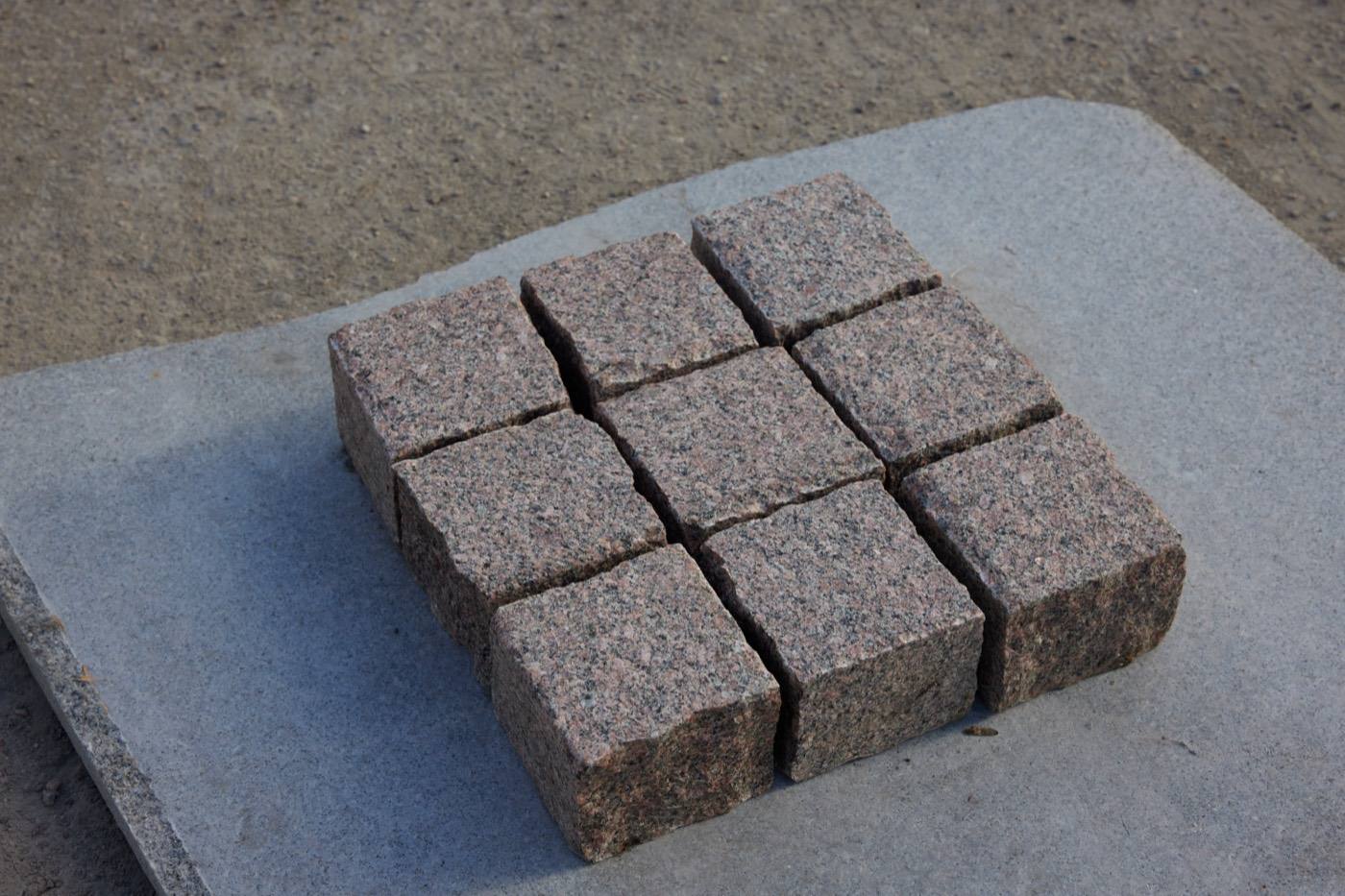
Swedish granite is one of the most durable stone materials available in Europe. Deposits in southern and western Sweden (including the regions of Blekinge, Bohuslän, Småland, and the area around Halmstad) formed hundreds of millions of years ago, resulting in a dense, homogeneous structure and very low water absorption. In practice, this means it is resistant to frost, abrasion, staining, and weathering, which is why this stone is suitable for use both inside and outside buildings.
From a technical standpoint, Swedish granites are characterized by high density, a Mohs hardness of approximately 6 to 7, and a water absorption rate typically below 0.3 percent. It is a premium-grade material that retains its color and luster for decades, without the fading typical of cheaper stones. For an investor from the West Pomeranian Voivodeship, the stability of supply and the consistency of batches are also important, which is easier to achieve with Swedish granite than with many exotic stones.
At Świat z Granitu, a family-owned stone masonry business operating since 1988 in Reptowo near Szczecin, Swedish granite is the cornerstone of our product line. We work with proven varieties: Vanga, gray and brown Bohus, Bjärlöv Champagne, Halmstadt Gneiss, Black Swedish (Moheda), and Tranås. Below, we discuss each of them in terms of color, texture, and applications.
Reds and browns: Vanga, Brown Bohus, Tranås
Vanga is a classic red Swedish granite from the Blekinge region, one of Scandinavia’s most recognizable stones. It ranges in color from warm red to reddish-brown, has a medium grain, and features delicate gray-black inclusions that enliven the surface. When polished, the red takes on depth and becomes intense, making Vanga an excellent choice for headstones, building facades, outdoor stairs, and architectural details designed to catch the eye.
Brown Bohus originates from the Bohuslän region in western Sweden. It is a coarse-grained stone with a warm, reddish-brown hue and a distinct, clear crystal pattern. It works well wherever a massive, natural character is desired: for wall cladding, baseboards, fence posts, and sturdy outdoor architectural elements. Its coarse grain structure withstands flame-texturing and shot-blasting well.
Tranås is a granite from Småland with a darker, gray-brown to nearly black hue and a fine, even grain. It is sometimes chosen as a more subdued alternative to bold reds when a project calls for a muted yet warm color. It pairs well with light-colored materials and is often used in memorial stonework and for countertops with an elegant, dark finish.
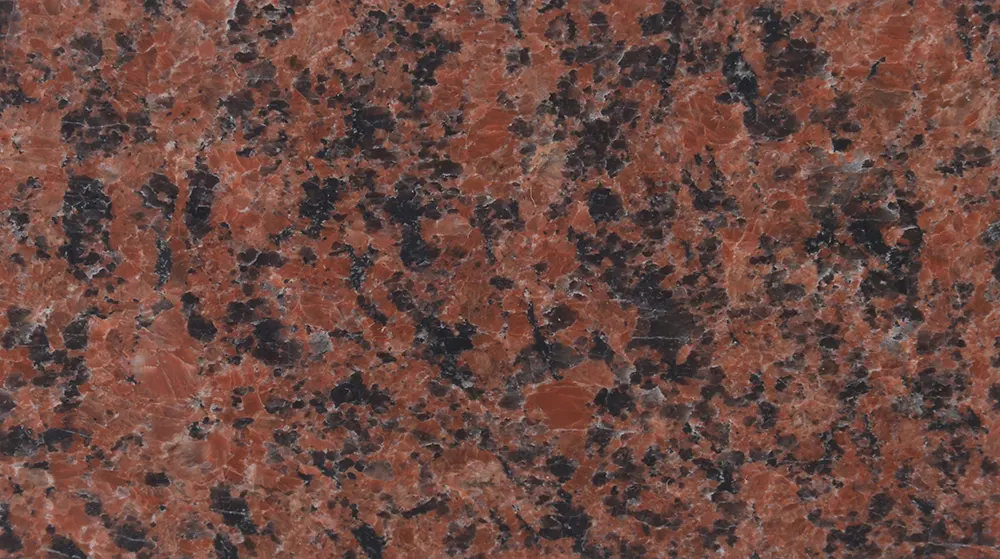
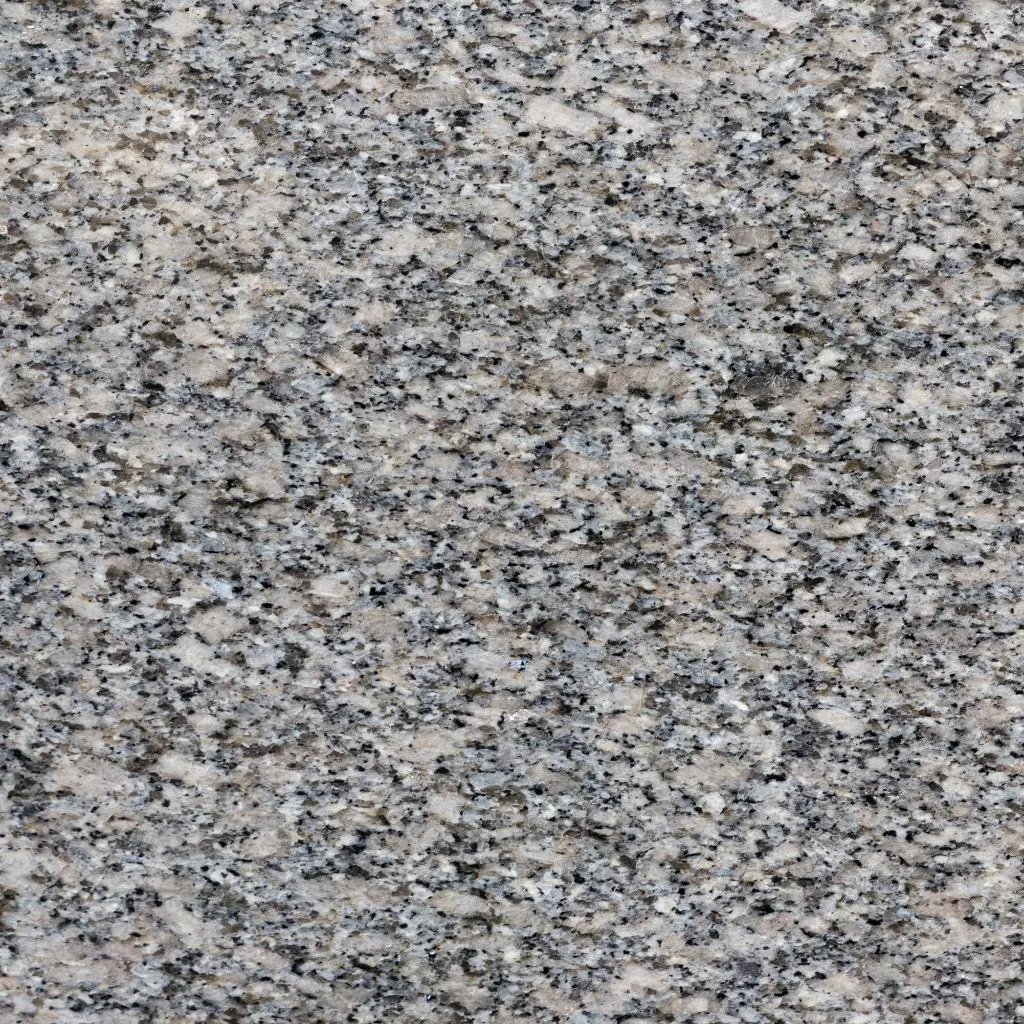

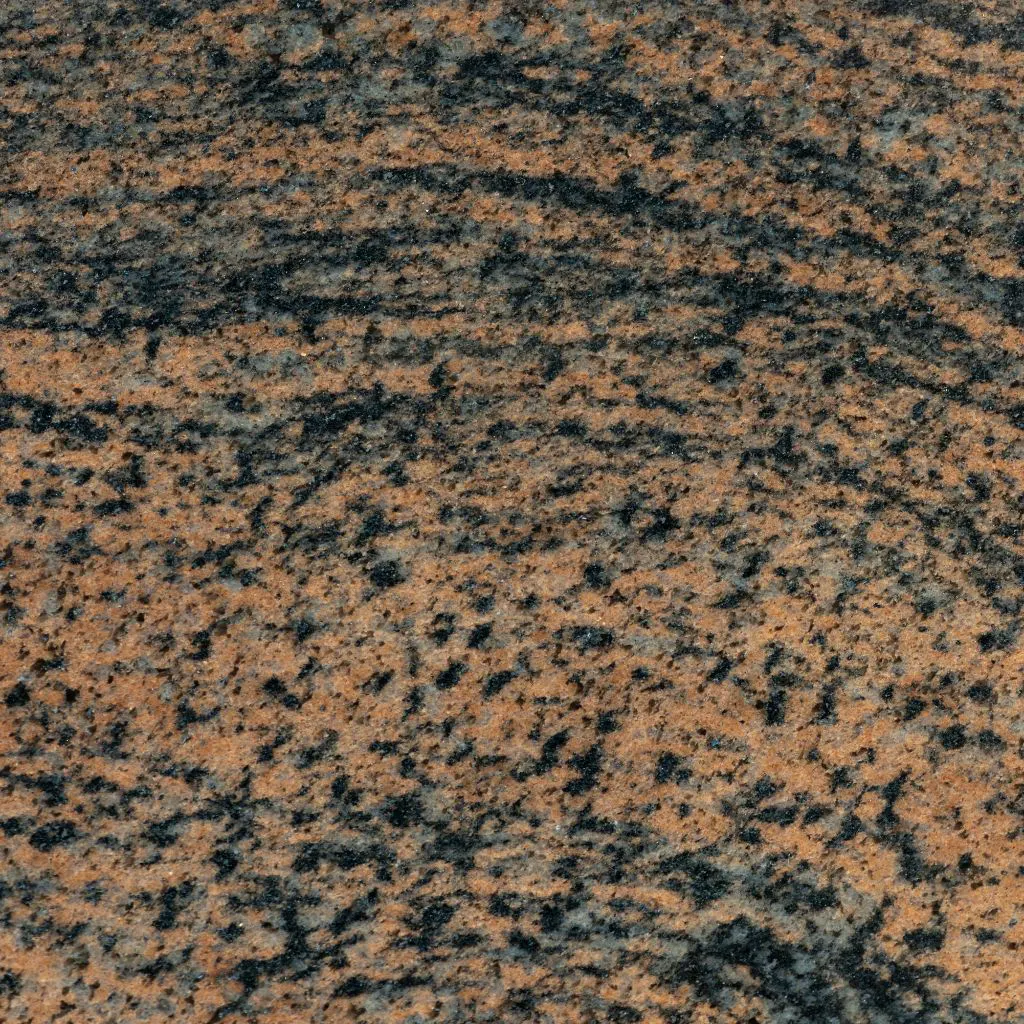
Four varieties of Swedish granite with a polished finish.
Grays and Whites: Bohus Gray, Bjärlöv Champagne, Halmstadt Gneiss
Bohus Gray (Bohus Grå) is one of the most popular light-colored Swedish stone varieties. It has a cool, light gray color with a slightly pinkish or creamy undertone and a coarse, distinct texture. It is a versatile building and facade stone: ideal for stairs, floors, pavers, window sills, and cladding, especially in modern architecture, where a neutral, timeless gray is highly valued.
Bjärlöv Champagne is an elegant, light-colored granite with warm beige-cream and champagne tones and a fine- to medium-grained texture. Its subtle, uniform pattern makes it a premium material for interiors: kitchen and bathroom countertops, windowsills, formal flooring, and wall cladding. The champagne hue adds a cozy feel and pairs well with wood, brass, and light-colored woodwork.
Halmstad gneiss, or gneiss from the Halmstad area, is distinguished by its characteristic layered structure (foliation), which creates decorative streaks and veining on its surface. Its color ranges from gray to warm, reddish-brown streaks. This stone has a strong, natural pattern and is often used for facades, accent walls, and high-end flooring, where a distinctive, unique pattern is key.
Absolute Black: The Black Swede (Moheda)
Black Swedish, also known as Moheda, is a dark stone from Småland with a very fine, uniform grain. In its raw state, it has a deep, graphite-gray color, but it reveals its full character only after polishing, when it transforms into a rich, mirror-like black. This creates a sense of depth and elegance that is difficult to achieve with other materials.
Thanks to its elegance and the solemnity of its color, Black Swedish is the natural choice for headstones and monuments. Its black, polished surface provides a clear backdrop for lettering, engravings, gilding, and portraits, while maintaining a dignified, timeless appearance for decades. We understand that choosing a headstone is an emotional decision, which is why we offer guidance calmly and with respect for the memory of your loved ones.
In addition to its use in tombstone masonry, Moheda is ideal for premium interiors: as kitchen countertops, counters, windowsills, or wall cladding in elegant designs. Black pairs well with both minimalist white and warm wood, creating interiors with a distinctive, luxurious character.
How Does the Finish Affect the Color of Granite?
The same block of granite can look completely different depending on how its surface is treated. There’s a simple rule: the higher the gloss, the richer and deeper the color. Polishing closes the pores and creates a smooth, light-reflecting surface that brings out the color to the fullest. Vanga Red becomes intense, and Swedish Black gains a mirror-like depth. Matte and textured surfaces diffuse light, making the stone appear lighter, more subdued, and warmer in appearance.
At our facility in Reptowo, we perform a full range of finishes using our own machinery. Polishing and grinding produce a smooth surface: the polished finish has a high gloss and the most vivid color, while the ground finish is matte and has a softer tone. Flaming—that is, high-temperature treatment with a torch—creates a rough, non-slip texture and lightens the color, making it ideal for stairs and patios. Speckling imparts an even, fine-grained texture with a subdued color.
Other finishes expand design possibilities. Brushing produces a silky-matte surface with a slightly accentuated grain pattern; sandblasting creates a uniform, satin-matte finish that’s ideal for engravings; and splitting reveals the stone’s natural, raw texture with a rustic character. When choosing a finish, it’s important to consider both aesthetics and functionality: color intensity, slip resistance, and ease of cleaning.
Applications: countertops, headstones, facades, stairs
Choosing a Swedish granite variety starts with its intended use. For kitchen and bathroom countertops, we recommend materials with an elegant pattern and high stain resistance: Bjärlöv Champagne for warm, bright interiors, and Black Swedish or Tranås for modern and bold designs. A polished finish enhances the color and makes daily maintenance easier.
In the gravestone industry, Black Swedish, Vanga, and Bohus are the most popular choices due to their durability, the clarity of the engravings, and their dignified appearance. For outdoor stairs, patios, and functional flooring, Gray Bohus and Vanga with a flamed finish are ideal, as they provide a safe, non-slip surface even in damp and freezing conditions typical of the West Pomeranian climate.
For facades, cladding, and outdoor furnishings, we recommend varieties with a strong character: Halmstadt Gneiss with decorative veining, brown Bohus with warm tones, and gray Bohus as a neutral backdrop. Each of these stones withstands coastal conditions well and retains its appearance for years, which is important in the Szczecin area and throughout Western Pomerania.
Custom Manufacturing in Reptowo, Near Szczecin
Świat z Granitu is a Polish, family-owned stone masonry company that has been in operation for two generations since 1988. We offer a comprehensive range of services: from design and selection of stone varieties, through processing using our own machinery (CNC centers, splitting machines, polishers, and flame-texturing stations), to transportation and professional installation. This allows us to maintain quality control at every stage, ensuring that the customer receives a product made exactly to their specifications and as agreed.
We offer custom-made products: countertops, window sills, stairs, flooring, facades, fireplaces, as well as headstones and cemetery art pieces. We treat each order individually, selecting the variety of Swedish granite and the type of finish based on the intended use, interior style or architecture, and the desired color intensity. We’d be happy to show you stone samples so you can see how a particular variety looks with your chosen finish.
Feel free to contact us for a free estimate. Our facility is located at Reptowo 88B, 73-108 Kobylanka, within easy reach of Szczecin. Phone: +48 513 007 606, email: biuro@swiatgranitu.pl. We’ll help you choose the color and finish, and then carry out the project from start to finish.
Frequently Asked Questions
What colors does Swedish granite come in?
Swedish granite comes in a wide range of colors. The reds and browns include Vanga (warm red), Bohus Brown, and Tranås (a dark, gray-brown hue). Gray and white shades are represented by Bohus Gray (light gray) and Bjärlöv Champagne (beige-cream, champagne). Halmstadt gneiss is a gray with reddish veining, while Black Swedish (Moheda) is a deep black when polished.
Does the type of finish change the color of the granite?
Yes, and significantly so. The rule is: the higher the gloss, the more intense the color. Polishing saturates and deepens the color and creates a mirror-like effect, while grinding smooths the surface but leaves it matte and lighter in color. Flaming, speckled, brushed, and sandblasted finishes scatter light, making the stone appear lighter and more subdued. The same variety can therefore produce different effects depending on the finish.
Which type of Swedish granite is best for a headstone?
The most popular choices are Black Swede (Moheda), Vanga, and Bohus. When polished, Black Swede produces a deep black that provides a clear background for lettering, engravings, and gilding, and retains its dignified appearance for decades. Vanga and Bohus offer durable red and gray tones. All these varieties are characterized by low water absorption and high weather resistance.
Which type of granite is best for a kitchen countertop?
For countertops, we recommend varieties with an elegant grain and high stain resistance. Bjärlöv Champagne suits warm, bright interiors, while Black Swedish and Tranås are ideal for modern and bold designs. The polished finish enhances the color and makes it easier to keep clean. Swedish granite typically has a water absorption rate below 0.3 percent, making it well-suited for daily use in the kitchen.
Where can I buy Swedish granite near Szczecin?
Świat z Granitu is a family-owned stone masonry business that has been in operation since 1988, with a facility in Reptowo near Szczecin, in the West Pomeranian Voivodeship. We offer Vanga, gray and brown Bohus, Bjärlöv Champagne, Halmstadt Gneiss, Black Swedish, and Tranås, as well as a full range of finishes using our own machinery. Address: Reptowo 88B, 73-108 Kobylanka. Contact: +48 513 007 606, biuro@swiatgranitu.pl.
Do you have a granite project?
Let's talk.
We’ll help you choose the right stone, color, and finish, and provide a quote. Reptowo near Szczecin · Projects throughout Poland and Europe.